
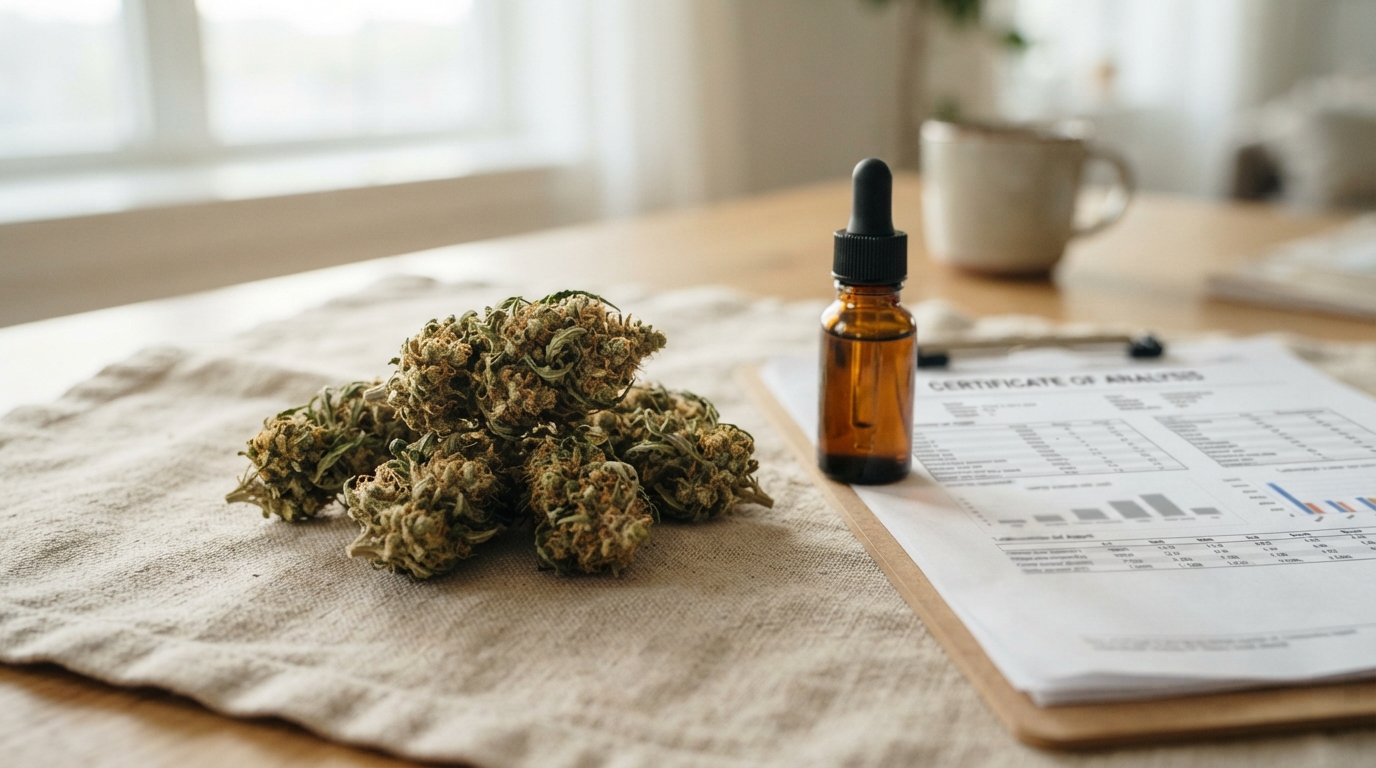
THCA (tetrahydrocannabinolic acid) is the naturally occurring precursor to THC found in raw and freshly harvested cannabis. Unlike THC, it does not produce intoxicating effects unless it is heated — a process called decarboxylation.
Adults across the USA are paying closer attention to THCA benefits as interest in hemp-derived cannabinoids continues to grow. Understanding what the current science actually supports — and where the research still has gaps — is essential before incorporating any THCA product into a wellness routine.
What Is THCA and How Does It Differ from THC?
THCA is a non-psychoactive cannabinoid found naturally in raw cannabis. It undergoes a chemical transformation known as decarboxylation when exposed to heat, converting it into THC — the compound responsible for cannabis’ intoxicating effects.
THCA drops the “A” when smoked or vaped and transforms into THC. This distinction matters significantly under current regulation, since THCA is a hemp-derived cannabinoid, making it federally legal with an entire market emerging as a result.
|
Feature |
THCA |
THC |
|---|---|---|
|
Psychoactive |
No (without heat) |
Yes |
|
Found in raw cannabis |
Yes |
Minimal |
|
Converts via heat |
Yes (to THC) |
N/A |
|
Research stage |
Preclinical/early |
More established |
Raw cannabis flower or THCA concentrates can be consumed without causing a high unless heat is applied. This is a key distinction for adults seeking non-intoxicating options.
Potential THCA Benefits Supported by Early Research
Research on THCA is still in its early stages, and most findings come from preclinical animal or cell-based studies. That said, several areas of potential benefit have emerged.
Anti-Inflammatory Properties
THCA acts as a powerful anti-inflammatory. Research shows that it soothes swelling and helps regulate the immune system, making it potentially useful for conditions such as arthritis and asthma.
Neuroprotective Effects
Microglial activation, mitochondrial function, and oxidative stress are all key factors in chronic neuroinflammation, and THCA’s significant PPARgamma agonism has been repeatedly demonstrated to have neuroprotective and anti-inflammatory effects in preclinical settings. According to a peer-reviewed study published in the National Library of Medicine (PMC), these findings suggest meaningful potential for brain health applications, though human clinical trials are still needed.
Antiemetic (Anti-Nausea) Potential
THCA is currently being studied for its antiemetic (anti-nausea) potential, which could make it a natural alternative for managing these symptoms without intoxication.
Important Caveat
No large-scale human clinical trials exist for THCA as of 2026. The neuroprotective and anti-inflammatory findings come from animal models and cell studies. Adults should consult a healthcare provider before using THCA for any health-related purpose.
THCA Product Formats: What Adults Can Choose From
THCA products are available in several formats, each suited to different preferences and intended uses.
-
Flower: Grown, harvested, and hand-trimmed with care, then sent to independent labs for testing before it ships — sourced from compliant hemp farms across the country.
-
Concentrates: Baller Boxes pack a full pound of premium THCA concentrate — badder, crumble, diamond, shatter, or sugar.
-
Vapes: Offer a convenient, portable delivery format for those who prefer inhalation without combustion.
-
Raw consumption: THCA is available in flower or crystal form, as well as in edible forms and patches. Some people eat the buds raw.
When choosing a format, the key consideration is whether heat will be applied. Heating THCA converts it to THC, changing both its effects and its legal classification depending on your state.
How to Evaluate THCA Product Quality
Not all THCA products on the market are created equal. Third-party lab testing is the clearest indicator of a trustworthy product.
Look for these markers when shopping:
-
Certificate of Analysis (COA): Confirms potency and purity from an independent lab.
-
Total THC disclosure: Includes both delta-9 THC and THCA converted to THC, giving a complete picture of potency.
-
Hemp compliance: Federally compliant hemp containing less than 0.3% Delta-9 THC.
-
Transparent sourcing: Products should disclose where and how the hemp was grown.
Every batch should be third-party verified, with COAs available for every product. This level of transparency is a baseline standard, not a premium feature.
Frequently Asked Questions
Does THCA get you high? Unlike THC, THCA does not produce intoxicating effects. It exists as the chemical precursor to THC. It only becomes psychoactive when exposed to heat through smoking, vaping, or baking.
Is THCA legal in the USA? THCA has potential therapeutic benefits including anti-inflammatory and neuroprotective effects, but research is still in its early stages. THCA’s legal status varies — while federally legal under the 2018 Farm Bill, some states regulate it due to its ability to convert into THC. Always verify your state’s current laws before purchasing.
Will THCA show up on a drug test? THCA can result in a positive drug test if converted into THC in the body. Some drug tests detect THC metabolites, which can be present even after consuming raw THCA.
Should I consult a doctor before using THCA? Yes. While THCA is non-psychoactive and generally well-tolerated, research is still in its early stages. Anyone considering THCA for wellness should consult with a medical professional — especially those taking prescription medications or managing chronic health conditions.
Finding Quality THCA Products
For adults in the USA who want to explore THCA, product transparency and lab verification are the most reliable guides to quality. Luminate provides hemp-derived THCA products – including flower, concentrates, and vapes – with third-party lab results and COAs available for every item. Whether you are new to cannabinoids or an experienced consumer, starting with verified, compliant products and speaking with a healthcare provider remains the most responsible approach.